For decades, the dream of property ownership in Pakistan meant one thing above all: a plot of land with your own boundary wall around it. That aspiration remains powerful, but a quieter shift is reshaping how families and investors in Islamabad and Rawalpindi think about space. As the twin cities grow denser and prime land grows scarcer, the market is beginning to look upward, and vertical living is stepping out of the shadow of the traditional plot.
This article examines the rise of high-rise and apartment investment in the twin cities, why it appeals to a new generation of buyers, and how anyone considering vertical property can weigh its advantages and trade-offs sensibly. Whether you are an end-user tired of long commutes or an investor hunting for rental yield, understanding this segment is becoming essential to reading the market correctly.
Why The Twin Cities Are Building Upward
Land is finite, and the most desirable pockets of Islamabad and Rawalpindi filled up long ago. When horizontal expansion runs out of room, cities respond by building vertically, stacking homes, offices, and shops onto a single footprint. This is not a passing fashion; it is the natural evolution of every growing urban centre, and the twin cities are following a path already worn by megacities across the region.
Vertical development also answers a affordability squeeze. As plot prices in central areas climb beyond the reach of many buyers, an apartment offers a way to own a home in a prime location for a fraction of the cost of the land beneath a house. Interest in High Rise Plots reflects this appetite, as both developers and investors position themselves for a future where density is the norm rather than the exception.
The Investor’s Case For Apartments
From a pure returns perspective, vertical property behaves differently from raw land, and that difference can work in an investor’s favour. An apartment can be rented out from the day it is habitable, producing monthly income that a vacant plot never will. In areas with strong rental demand, that yield can meaningfully offset holding costs while the underlying value appreciates.
Apartments also open the door to a broader tenant pool. Young professionals, small families, and people relocating for work often prefer the convenience and security of a managed building over renting an entire house. That steady demand gives apartment owners a degree of income stability that can be harder to achieve with a standalone property in a quieter location.
Lifestyle And Convenience As A Selling Point
Vertical living is not only an investment thesis; it is a lifestyle choice that is winning converts. Modern high-rise projects bundle in amenities that a standalone house rarely offers on its own: managed security, backup power, lifts, communal spaces, and often gyms or play areas. For busy households, the appeal of maintenance being handled by building management rather than falling on their shoulders is considerable.
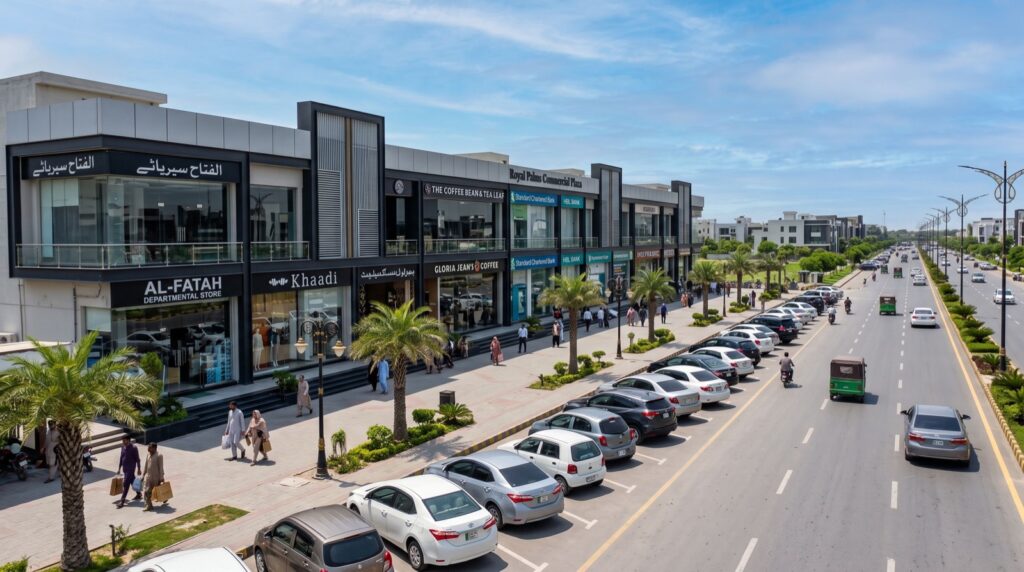
Location plays into this as well. Because high-rises concentrate many homes on a small plot, they can occupy central positions close to workplaces, hospitals, and commercial hubs that would be prohibitively expensive for individual houses. For buyers who value a short commute and walkable access to daily needs, that centrality is worth a great deal.
What To Check Before Buying Vertical
Apartment investment rewards diligence in areas that plot buyers can sometimes skip. The reputation and track record of the developer matter enormously, because you are trusting them not only to build well but to deliver on time and hand over clean ownership documentation. A striking design counts for little if the project stalls or the paperwork is muddled.
You should also study the building’s ownership structure, maintenance charges, and management arrangements. These recurring costs affect your real return, and a poorly managed building can erode both rental appeal and resale value. Choosing a project backed by dependable specialists for construction and upkeep is one of the surest ways to protect your investment over the long haul.
Comparing Vertical And Horizontal Investment
Neither apartments nor plots are universally superior; they simply serve different goals. A plot offers maximum control, no shared costs, and land that tends to appreciate steadily, but it earns nothing until developed and demands a larger upfront outlay for a prime position. An apartment offers immediate income potential, a lower entry price, and lifestyle convenience, but comes with shared decision-making and ongoing charges.
The smartest investors often hold both. A plot anchors long-term appreciation while an apartment generates near-term cash flow, and together they balance a portfolio against different market conditions. Understanding where each fits lets you build deliberately rather than defaulting to whichever option is most familiar.
Reading The Regulatory Landscape
Vertical projects sit under closer regulatory scrutiny than simple plots, and that is a good thing for buyers who do their homework. Building height approvals, structural sanctions, and completion certificates all signal that a project has cleared genuine hurdles. Before committing, confirm that the development holds the relevant approvals and that the developer can produce them on request.
Working with an established name in a recognised, well-planned community reduces this risk considerably. Many buyers gravitate toward a Best Housing Society in Islamabad precisely because approved, master-planned surroundings give vertical projects a stable framework of utilities, security, and legal certainty to sit within, which in turn protects the value of every unit inside them.
Key Takeaways
- Scarce land and rising prices are pushing the twin cities toward vertical development.
- Apartments can generate rental income immediately, unlike vacant plots.
- Bundled amenities and central locations make vertical living a genuine lifestyle draw.
- Developer reputation, maintenance costs, and management quality are critical to real returns.
- Holding both a plot and an apartment balances appreciation against cash flow.
- Approvals and a well-planned surrounding community protect a vertical project’s value.
Looking Up, Looking Ahead
The skyline of the twin cities is changing, and with it the definition of what it means to own property here. Vertical living will not replace the plot, but it is carving out a permanent and growing place in the market, offering income, convenience, and access to central locations that horizontal ownership cannot always match. For the investor willing to research developers, scrutinise approvals, and weigh ongoing costs honestly, high-rise property is no longer a curiosity but a serious component of a modern portfolio. As the cities keep growing upward, the buyers who understand this shift early will be the ones best positioned to benefit from it.