
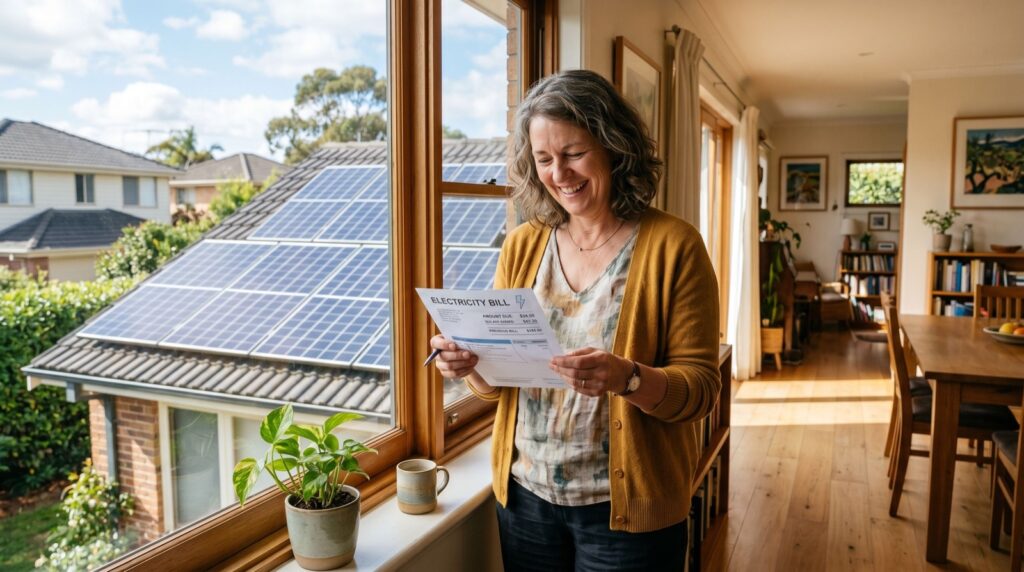
Solar Panel Maintenance in Pakistan: 9 Ways to Protect Your Investment in 2026
Good solar panel maintenance in Pakistan is what separates a system that quietly earns for 25 years from one that fades after five. Panels are famously low-maintenance, but “low” is not “none,” and the country’s dust, heat, and monsoon cycles put real stress on rooftop hardware. This 2026 guide covers nine practical habits that keep your output high and your warranty intact.
Think of maintenance as protecting the returns on money you have already spent. A little attention now prevents expensive losses later.
Why Maintenance Matters More in Pakistan’s Climate
Dust storms in the plains, salt-laden air near the coast, and scorching summer temperatures all conspire to reduce panel efficiency. A layer of dust alone can cut output noticeably, and heat lowers the voltage panels produce.
Neglected systems drift downward in performance so gradually that owners rarely notice until the annual bill creeps back up. Monitoring and cleaning catch this early. As the U.S. National Renewable Energy Laboratory notes, soiling and thermal stress are among the leading causes of avoidable PV underperformance worldwide.
The 9 Maintenance Habits That Preserve Output
- Clean the panels regularly. In dusty regions, a rinse every few weeks in dry season keeps soiling losses low.
- Use soft water and a soft brush. Hard water leaves mineral spots; abrasive tools scratch the glass.
- Clean early morning or evening. Cold water on hot glass can crack panels; cool hours are safer.
- Inspect the mounting structure. Check for rust, loose bolts, and movement after storms.
- Watch for shading creep. Growing trees or new construction can cast fresh shadows.
- Monitor daily production. A sudden drop signals a fault worth investigating.
- Check inverter indicators. Error codes and warning lights should never be ignored.
- Keep cables and connectors dry. Loose or corroded DC connectors are a common failure and fire risk.
- Schedule a professional check yearly. An expert catches issues you cannot see from the ground.
For a thorough annual inspection, it pays to use quality service providers who follow a documented checklist rather than a quick glance from the rooftop.
Cleaning Frequency by Region
How often you clean depends heavily on where you live. The table gives a practical guide for 2026.
| Environment | Main Challenge | Suggested Cleaning | Extra Care |
|---|---|---|---|
| Dry inland plains | Heavy dust | Every 2 to 3 weeks in dry season | Check for caked soiling after wind |
| Coastal cities | Salt and humidity | Monthly rinse | Inspect for corrosion |
| Urban high-traffic | Soot and grime | Every 3 to 4 weeks | Watch for sticky film |
| Rainy highland | Less dust, more moisture | Every 6 to 8 weeks | Check seals and drainage |
Monitoring: Your Early Warning System
Modern inverters report production to an app. Reviewing it weekly takes minutes and reveals problems long before your utility bill does. Look for days where output falls well below sunny neighbours or below the same month last year.
What a production drop can mean
- Dust or bird droppings on the array
- A failing panel or bypass diode
- A loose or corroded connector
- An inverter fault or grid disconnection
Catching these early is the difference between a quick clean and a costly replacement. When you shop for installers, choosing a firm with strong after-sales support, such as a well-reviewed solar company in Multan, means help is a phone call away rather than a lost cause.
Protecting Your Warranty
Warranties are only as good as your compliance with their terms. Using incompatible components, skipping required servicing, or letting untrained hands modify the system can void coverage.
Keep records of every cleaning, inspection, and repair. If a panel or inverter fails within its warranty window, that paper trail speeds up your claim. Partnering with the Best Solar Company you can find in your area ensures the original installer honours and administers those warranties properly.
Seasonal maintenance calendar
- Pre-summer: deep clean, tighten structure, verify cooling airflow around the inverter
- Monsoon: check seals, drainage, and earthing after heavy rain
- Post-monsoon: inspect for water ingress and connector corrosion
- Winter: review annual production totals and plan any upgrades
Frequently Asked Questions
How often should I clean my solar panels in Pakistan?
In dusty inland areas, every two to three weeks during the dry season keeps output high. Coastal and highland regions can go longer, but any visible dust or droppings should be rinsed off promptly.
Can I clean solar panels myself?
Yes, using soft water, a soft brush, and cool hours of the day. For rooftop safety and a full annual inspection of wiring and structure, however, a professional check is strongly recommended.
Does solar panel maintenance affect my warranty?
It can. Skipping required servicing or using incompatible parts may void coverage. Keep records of all cleaning and inspections and use your original installer for repairs to protect your warranty.
How do I know if a panel has failed?
Watch your monitoring app for an unexplained drop in daily production. A single underperforming string or panel usually shows up as output that lags sunny days or the same period a year earlier.
Small Habits That Add Up Over 25 Years
Maintenance is not glamorous, but the compounding effect over two decades is enormous. A system kept clean and monitored can produce meaningfully more energy across its life than an identical system that is neglected. On a large array, that difference adds up to a substantial sum in avoided electricity bills.
The good news is that the effort required is modest. A short weekly glance at your monitoring app, a rinse on a sensible schedule, and one professional inspection a year cover the vast majority of what matters. None of it demands special skill, only consistency.
Keep a simple logbook
- Note each cleaning date and the weather conditions
- Record any error codes and how they were resolved
- Log annual production totals to spot long-term decline
- File every service receipt for warranty protection
This habit turns vague memory into evidence. If output ever drifts downward, your log shows whether it is normal seasonal variation or a genuine fault, and it strengthens any warranty claim you may need to make. Treat the logbook as part of the system itself, and the whole investment stays healthier for far longer.
Conclusion
Consistent solar panel maintenance in Pakistan protects the returns on a serious investment. Clean on a schedule suited to your climate, monitor production weekly, inspect the structure after storms, and keep detailed records for your warranty. Follow these nine habits through 2026 and your system will keep delivering clean, low-cost power year after year, exactly as it was designed to do.